Overview
A geotechnical investigation characterises subsurface conditions for design. The drilling method must suit the strata, preserve sample quality and keep the borehole suitable for testing or monitoring.
Drilling methods
Methods below describe typical industry practice. Confirm project availability, delivery responsibilities and technical requirements during quotation.
Soil boreholes and rock coring
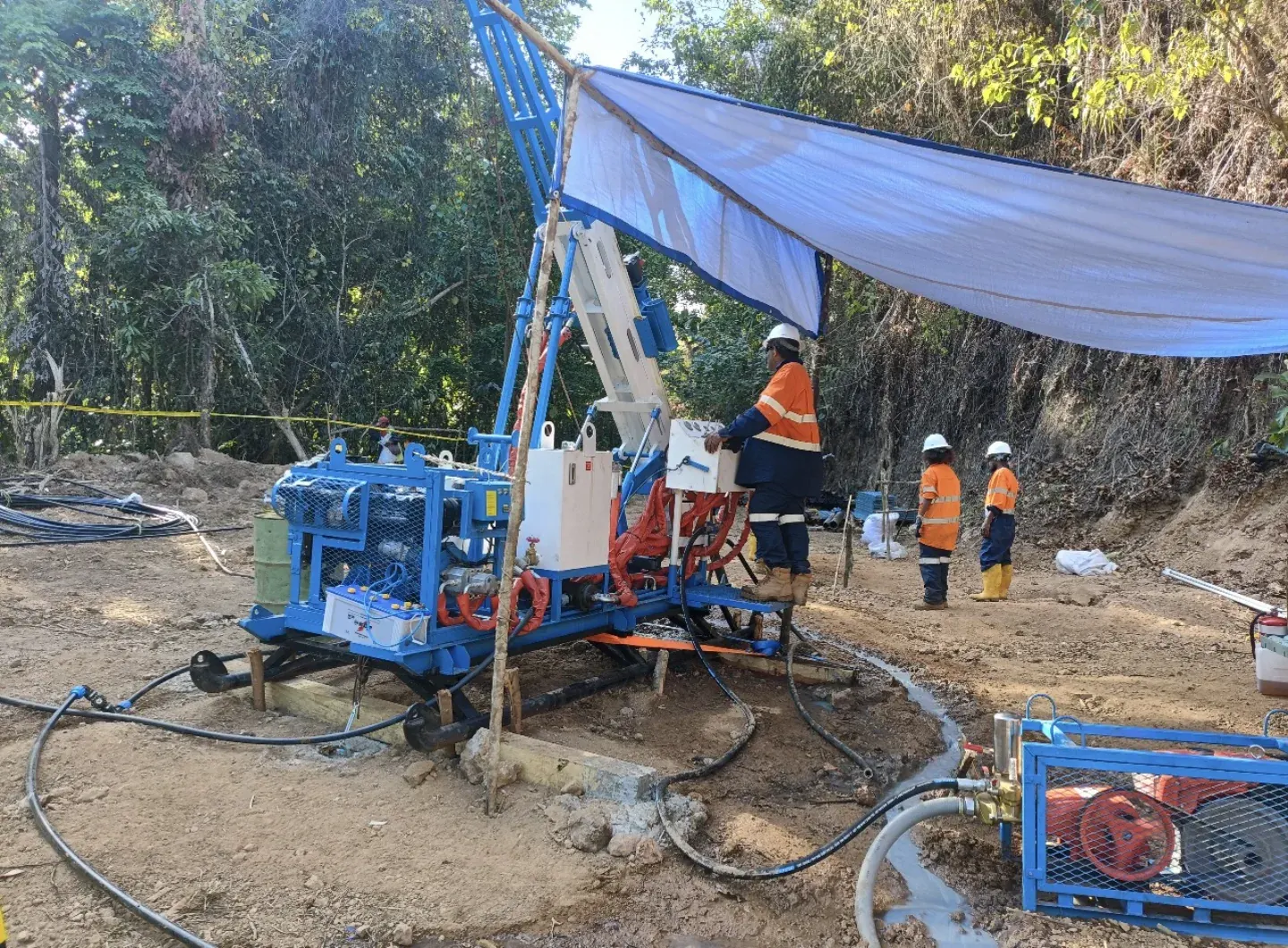
Auger, rotary wash, mud rotary and cased methods suit different soil profiles and groundwater conditions. Diamond coring recovers rock for logging and testing. Triple-tube coring may improve recovery in weak or fractured rock.
Standard Penetration Testing (SPT)
SPT drives a split-barrel sampler into soil with a standardised hammer. The N-value records blows over the final 300 mm of a nominal 450 mm drive after seating. Interpretation considers test limitations and relevant corrections.
Sampling and instrumentation
Disturbed bulk or split-barrel samples support classification. Thin-wall or piston samples can preserve finer soils for laboratory testing. Field vane, permeability and packer tests, piezometers or inclinometers may form part of an investigation scope.