Mineral exploration
An exploration programme might test whether a mapped mineralised zone extends below surface.
In your brief Include the geological target, proposed hole locations and angles, estimated depths and sampling objectives.
02 / Services
Start with the details that help define the scope and assess what is feasible for your site.
Inquiry / 01
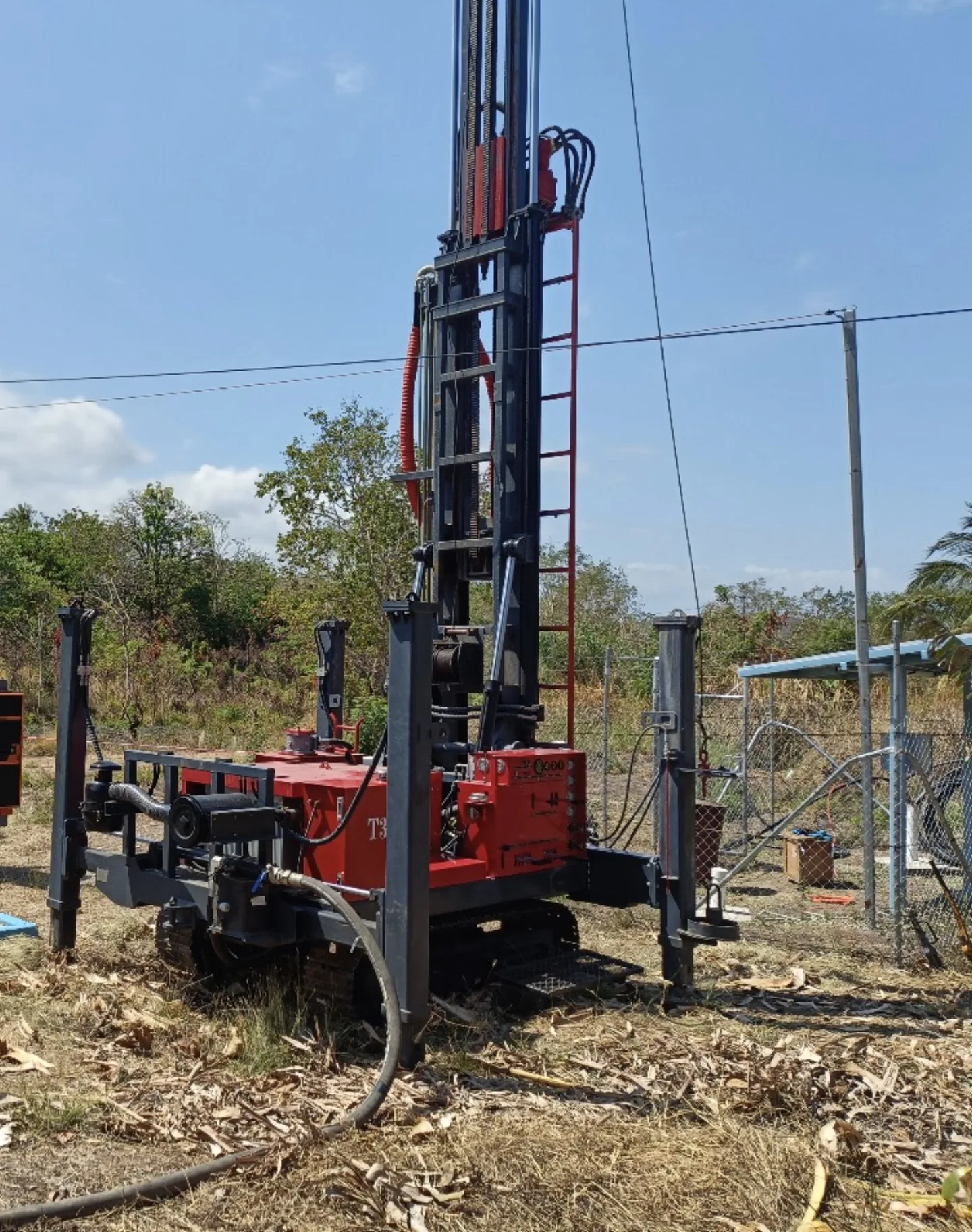
Describe the site, target depths and anticipated ground conditions. Note access width, slope, working space and any limits on moving equipment into position.
Discuss your requirements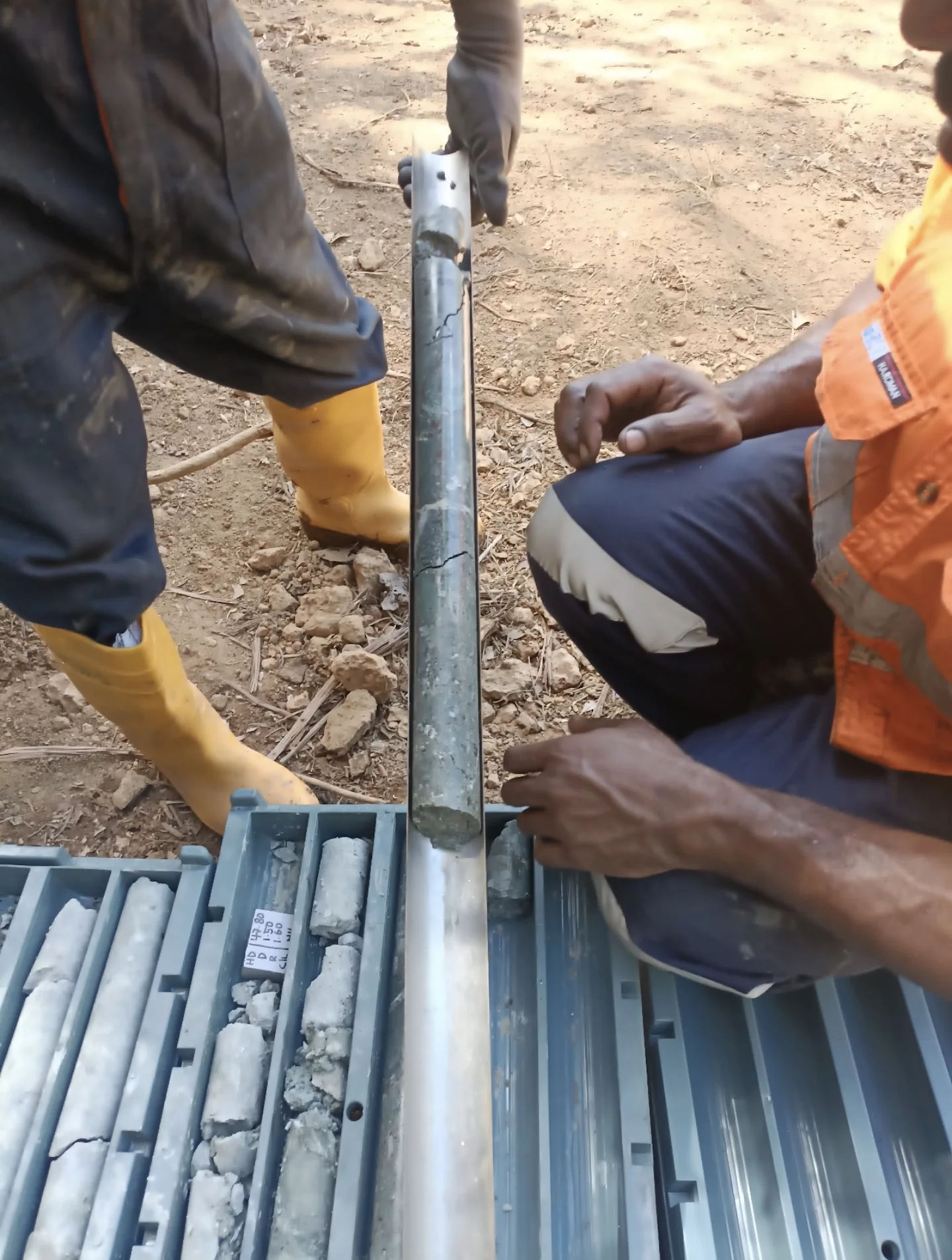
Inquiry / 02
Include the intended use of the samples, target intervals, any core recovery requirements and how samples need to be logged, stored or handed over.
Discuss your requirements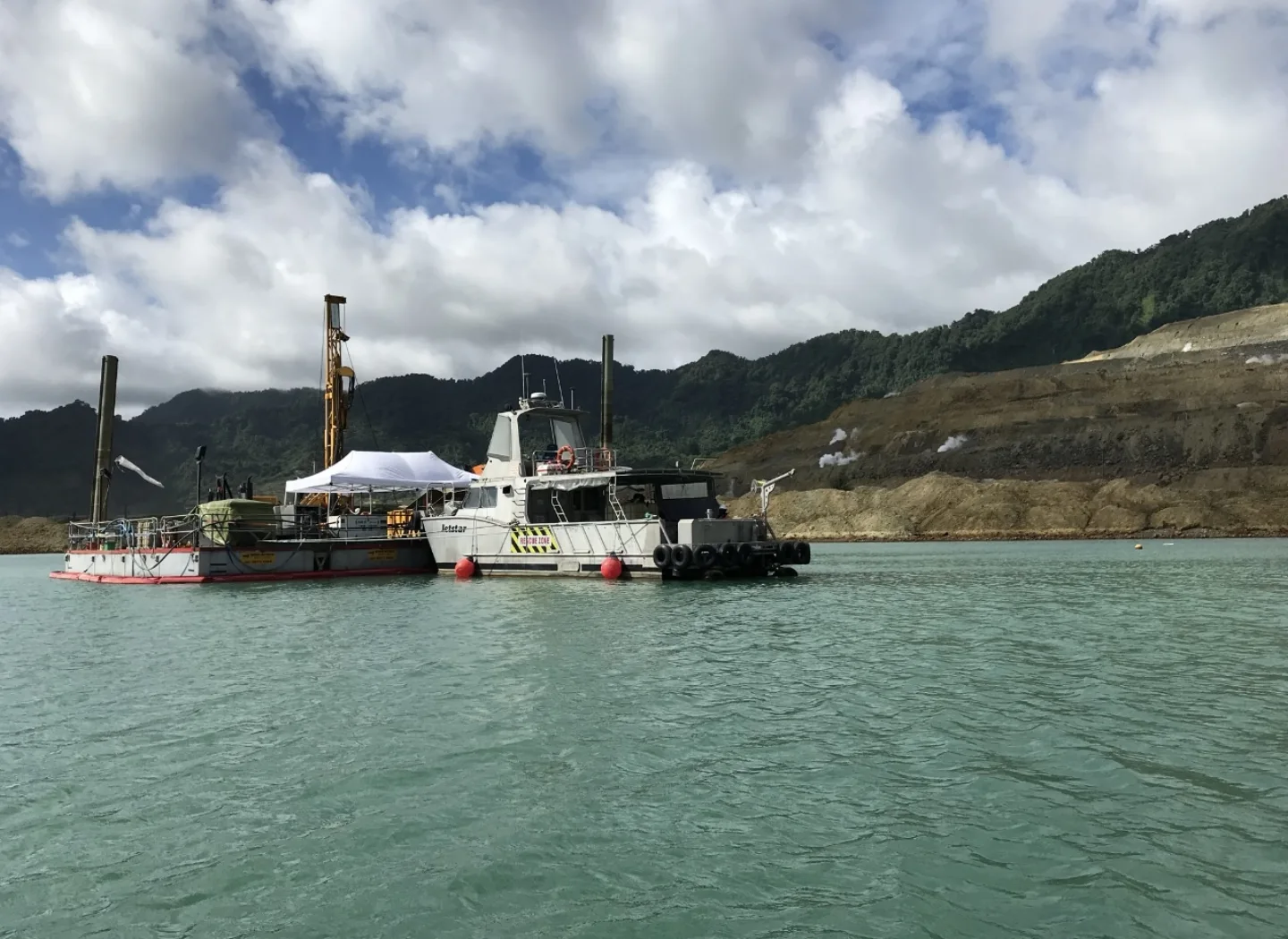
Inquiry / 03
Share the water depth, working area and access points. Identify tidal or weather constraints, shoreline restrictions and any existing marine surveys.
Discuss your requirementsProject planning
These general industry examples can help you describe the work and ask about availability.
An exploration programme might test whether a mapped mineralised zone extends below surface.
In your brief Include the geological target, proposed hole locations and angles, estimated depths and sampling objectives.
Diamond drilling recovers cylindrical rock core for geological logging, structural observations and selected laboratory tests.
In your brief Specify the core diameter if known, whether oriented core is needed, and who will handle logging and sample storage.
Reverse circulation drilling returns rock chips that can be sampled by interval during a mineral exploration programme.
In your brief Share the planned sampling interval, sample splitting requirements and how samples will be labelled and dispatched.
Boreholes at proposed bridge abutments can help characterise soil and rock conditions for foundation design.
In your brief Provide the proposed structure, borehole locations, target depths and any sampling or in-hole tests specified by the engineer.
A test bore can help investigate groundwater for a proposed site water supply.
In your brief State the intended water use, expected demand, nearby bore records and any requirements for yield or water-quality testing.
An investigation near a former fuel storage area might require soil sampling and groundwater monitoring wells.
In your brief Describe the site history, proposed sampling locations and the environmental consultant’s requirements for sample handling and well completion.
A remote or waterfront site can require separate planning for rig access, staging and support vehicles or vessels.
In your brief Include access restrictions, the available laydown area, water and fuel arrangements, and any tidal or weather limits.
Project inquiries